Cast Iron, Glass, or Ceramic: Everything You Need to Know About Teapots
Tea is a daily ritual, and the teapot is its centerpiece. It allows for a mastered infusion and the perfect release of aromas while adding an aesthetic touch to every tasting. Whether it is a traditional Japanese cast iron pot, delicate porcelain, or minimalist glass, every teapot reveals a unique way to experience tea.
Exploring Teapot Types and Materials
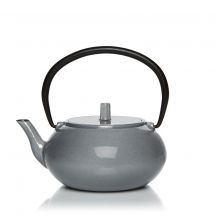
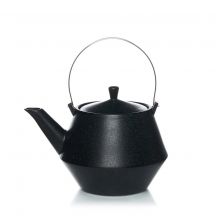
Cast Iron Teapots
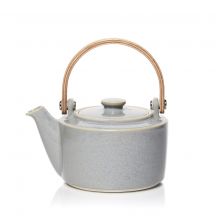
Rooted in Japanese tradition, where they were originally used as kettles known as "tetsubin", cast iron teapots are famous for their ability to retain heat for long periods. They are ideal for all tea varieties, particularly robust Black teas or Oolongs. Combining durability with timeless elegance, these pots are true heritage pieces.
See all cast iron teapots →
Glass Teapots
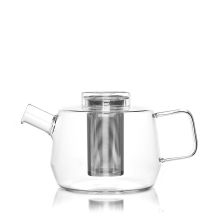
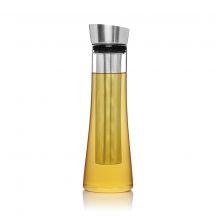
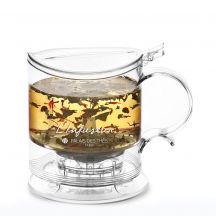
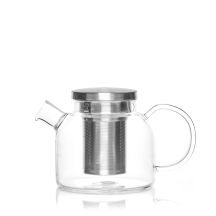
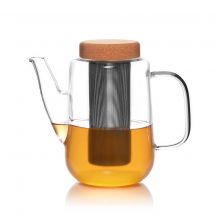
Transparent and modern, glass teapots allow you to observe the leaves unfurling and the infusion changing color. They are a favored choice for teas made of delicate buds or decorative blooming teas. Versatile and sleek, glass teapots turn the brewing process into a visual spectacle.
See all glass teapots →
Porcelain Teapots
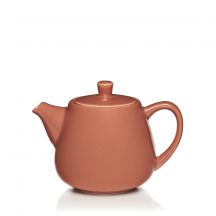
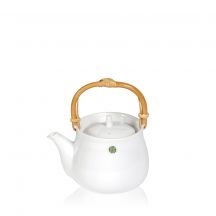
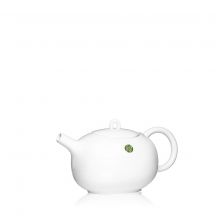
Widely used from China to Europe, porcelain is a neutral material that respects the true taste of the tea without altering it. Because they do not retain previous aromas, they are perfect for delicate infusions such as Green or White teas.
See all porcelain teapots →
Clay and Terracotta
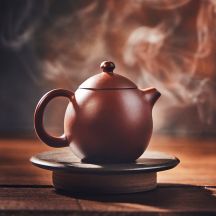
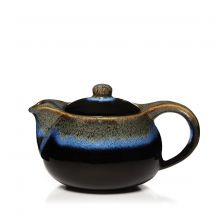
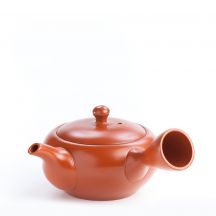
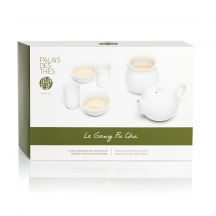
Teapots Clay is highly prized in tea cultures, especially for the Chinese practice of Gong Fu Cha (using Yixing or Zisha clay). Its natural porosity allows it to absorb the essential oils and aromas of the tea over time. These are often called "memory teapots," as they enhance the flavor of a specific tea type with every use.
See all clay teapots →
How to Choose the Right Teapot for Your Ritual
Selecting the perfect teapot depends on several key criteria.
- Type of tea: Black teas, Oolongs, and dark teas flourish in "memory" teapots made of clay or cast iron. Conversely, green and white teas are best suited for non-porous materials without memory, such as glass or porcelain.
- Frequency of use: For regular, daily use, choose a model that is easy to handle and simple to maintain.
- Capacity: Depending on whether the teapot is for solo sessions or hosting guests, the capacity can range from a few ounces (cl) to nearly a liter.
- Filter type: Consider your brewing preference: a removable stainless steel filter, disposable filters, or letting the leaves roam free inside the teapot?
- Aesthetics: Whether colorful, illustrated, or minimalist, choose a teapot that reflects your personal style and world.
Expert Maintenance Tips
To preserve the beauty and functionality of your teapot, proper care is vital.
- For cast iron and clay, simply rinse with clear water and dry immediately; never use soap, as it can damage the material or ruin the "memory" of the pot.
- Glass teapots are versatile but should be protected from thermal shock.
- For porcelain and ceramics, hand-washing without abrasive products is best to protect the glaze.
Regardless of the material, always dry your teapot thoroughly after use to prevent moisture buildup. Whether crafted from clay, glass, or iron, and whether sourced from Japan, China, or beyond, the right teapot is a decorative yet functional companion for every memorable tea moment.