Matcha

Matcha : an awakening, not a wake-up


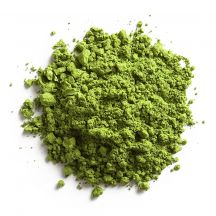
Plain matcha


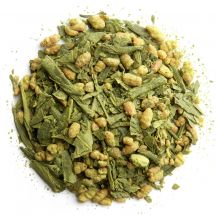
Flavored matcha


How to prepare matcha

  1. Step 1

    Scoop 1 teaspoon (or 2 matcha spoons) of matcha powder.

  2. Step 2

    Sift the matcha into your bowl.

  3. Step 3

    Pour 3.5 tbsp (approx. 1.7 fl oz) of water heated to 160°F, then whisk vigorously in a "W" motion until the texture is smooth and frothy.

  4. Step 4 (optional)

    For a latte, add approx. 1/2 cup (3.5 fl oz) of milk.


Accessories


Which matcha should I choose?

Select a matcha


Discover more matcha


Recipes

Matcha Frappé - Palais des Thés
Matcha Frappé View post
Rose Matcha Cookies - Palais des Thés
Rose Matcha Cookies View recipe
Matcha Latte: The Universal Recipe - Palais des Thés
Matcha Latte: The Universal Recipe View recipe
Matcha Tiramisu - Palais des Thés
Matcha Tiramisu View recipe
Matcha-Vanilla Marble Cake - Palais des Thés
Matcha-Vanilla Marble Cake View recipe

Help - FAQ

What is matcha tea?

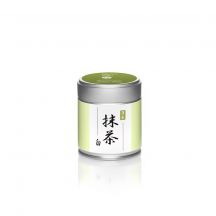
Matcha tea is a shaded green tea ground into powder, meaning the tea plants are covered for a few weeks before harvest to deprive them of sunlight. It comes from Japan and reveals a particularly umami flavor. It can be enjoyed both as a drink and in pastries. Its emerald green color always makes a great impression!

How to prepare matcha tea?

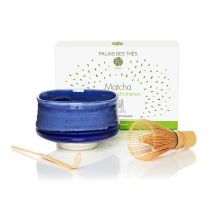
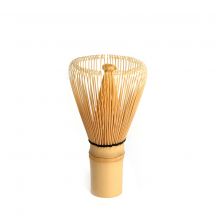
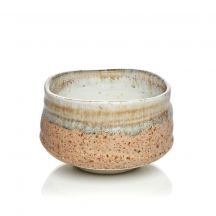
Matcha tea is prepared differently depending on whether you enjoy it traditionally, as a latte, or iced. It requires a few essential tools to prepare it properly, such as a bamboo whisk (chasen), a spatula (chashaku), and a bowl (chawan).
Discover each method step by step by clicking on the recipe of your choice:

  • Matcha for Cooking
  • Iced Matcha
  • Traditional Matcha

How many times a day can you drink matcha?

Matcha is a very energizing tea, so it's important not to overdo it. The amount of matcha you drink per day should be adjusted according to your tolerance for caffeine-rich beverages and your overall coffee and tea consumption. It's possible to drink matcha every day; some even make it a morning ritual. However, it's not recommended for pregnant women or people who are very sensitive to caffeine to drink too much.

What are the benefits of matcha?

Sometimes considered a superfood, matcha is rich in caffeine and therefore has energizing properties. It is also very rich in theanine, which promotes relaxation and concentration. A bowl of matcha can contain up to three times more catechins (molecules with strong antioxidant properties) than any other green tea!

How to make a matcha latte?

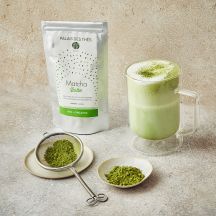
The matcha latte is a very popular drink! To make it, simply mix matcha with a dairy beverage (dairy or plant-based milk). Find our recipe here.

Is matcha best enjoyed hot or cold?

Matcha can be enjoyed both hot and cold! Prepared hot using the traditional Japanese method, or with milk, matcha makes a comforting and smooth drink. Prepared cold, or even iced, matcha is a refreshing and delicious summer companion.

What is umami?

Umami is one of the five basic tastes, along with sweet, salty, sour, and bitter. This word is formed from umai, meaning "delicious," and mi, meaning "flavor, taste, essence" in Japanese. It literally refers to a savory flavor that adds richness to food and prolongs the taste in the mouth. Theorized by Kikunae Ikeda in the early 20th century, umami is found in foods rich in certain natural compounds (such as glutamate), like Parmesan cheese, ripe tomatoes, mushrooms, soy sauce, broth, or braised meats… and of course, matcha!

What is the difference between sencha green tea and matcha?

Sencha is a Japanese green tea made from loose-leaf leaves, grown on tea bushes that have not been shaded before harvesting. Sencha reveals vegetal and marine notes. Matcha is a shade-grown tea ground into a powder. Like sencha, it has very vegetal notes, but it is distinguished by its pronounced umami flavor, and of course by its preparation method: whisked rather than brewed.

How to use matcha in cooking?

Matcha is one of the most popular teas in cooking! With its beautiful emerald color and umami flavor, this powdered tea adds originality and depth to recipes. It blends perfectly into dairy-based preparations (tiramisu, panna cotta, whipped cream, etc.) as well as batters for waffles, crepes, cookies, or pancakes.

Matcha Tea: Origins and Benefits


The History of Matcha: Japan’s Iconic Green Tea

Matcha is an exceptional green tea ground into a vibrant, emerald-fine powder. It offers a powerful umami profile because it is crafted from tea plants shaded for several weeks before harvest, just like Gyokuro. This powdered tea traces its roots back to ancient China—where whisked tea was popularized during the Song Dynasty between the 10th and 13th centuries—before arriving in Japan in the 12th century.

Adopted by Buddhist monks for its energizing virtues and its role in meditation, it became the centerpiece of the Japanese tea ceremony, Chanoyu, which was codified by tea master Sen no Rikyu in the 16th century.

Nowadays, while this tradition endures, Matcha has also captured pop culture. Served in modern coffee shops and embraced in the culinary world, it has become a favorite among younger, highly connected generations.


The Many Uses of Matcha: Balancing Tradition and Modernity

Matcha can be enjoyed in several ways, with each method revealing a unique facet of this precious tea.

Traditional Matcha Preparation

In Japanese tradition, preparing Matcha (Usucha or Koicha) follows a precise ritual. The Matcha powder is whisked in a Chawan (a dedicated bowl) with hot water at around 160°F using a bamboo wisk to achieve a delicate, frothy texture. This method highlights the full aromatic richness of Matcha, balancing vegetal sweetness and rich umami notes.

The Matcha Latte

For a more indulgent and accessible option, Matcha pairs beautifully with both dairy and plant-based milks. Whisked with a electric wisk, a Matcha latte offers a smooth, generous micro-foam. This preparation softens the intensity and potential bitterness of the Matcha while preserving its health benefits, serving as a sophisticated alternative to traditional caffeinated drinks.


The Health Benefits of Matcha: Clean Energy and Focus

Beyond its exquisite taste, Matcha is a true wellness ally. It is highly energizing thanks to its naturally high caffeine content; because the "theine" in tea is the exact same molecule as caffeine, Matcha makes an excellent clean alternative to coffee. Furthermore, its high concentration of L-theanine promotes relaxation while boosting focus.

Also rich in catechins—powerful antioxidants—it helps combat the oxidative stress responsible for premature cellular aging and supports the immune system. This ancient tea is also prized for its detoxifying properties and its role in supporting metabolic energy, making it a must-have for wellness-conscious tea lovers.


Matcha in the Kitchen: Indulgence, Elegance, and Creativity

Matcha is not limited to the cup; it has also found its home in the culinary arts. Its unique umami flavor, herbaceous notes, and striking, unmistakable color elevate baked goods and pastries like cookies, waffles, cake, tiramisu...

It can even be introduced into savory dishes, incorporated into sauces, or blended into marinades. Its vibrant color and subtle taste transform any recipe into an original and memorable culinary experience.


Whether enjoyed as a traditional ritual, an indulgent latte break, or a bold touch in the kitchen, Matcha captivates with its versatility and flavor. A green treasure to discover and savor for every occasion.

Log In